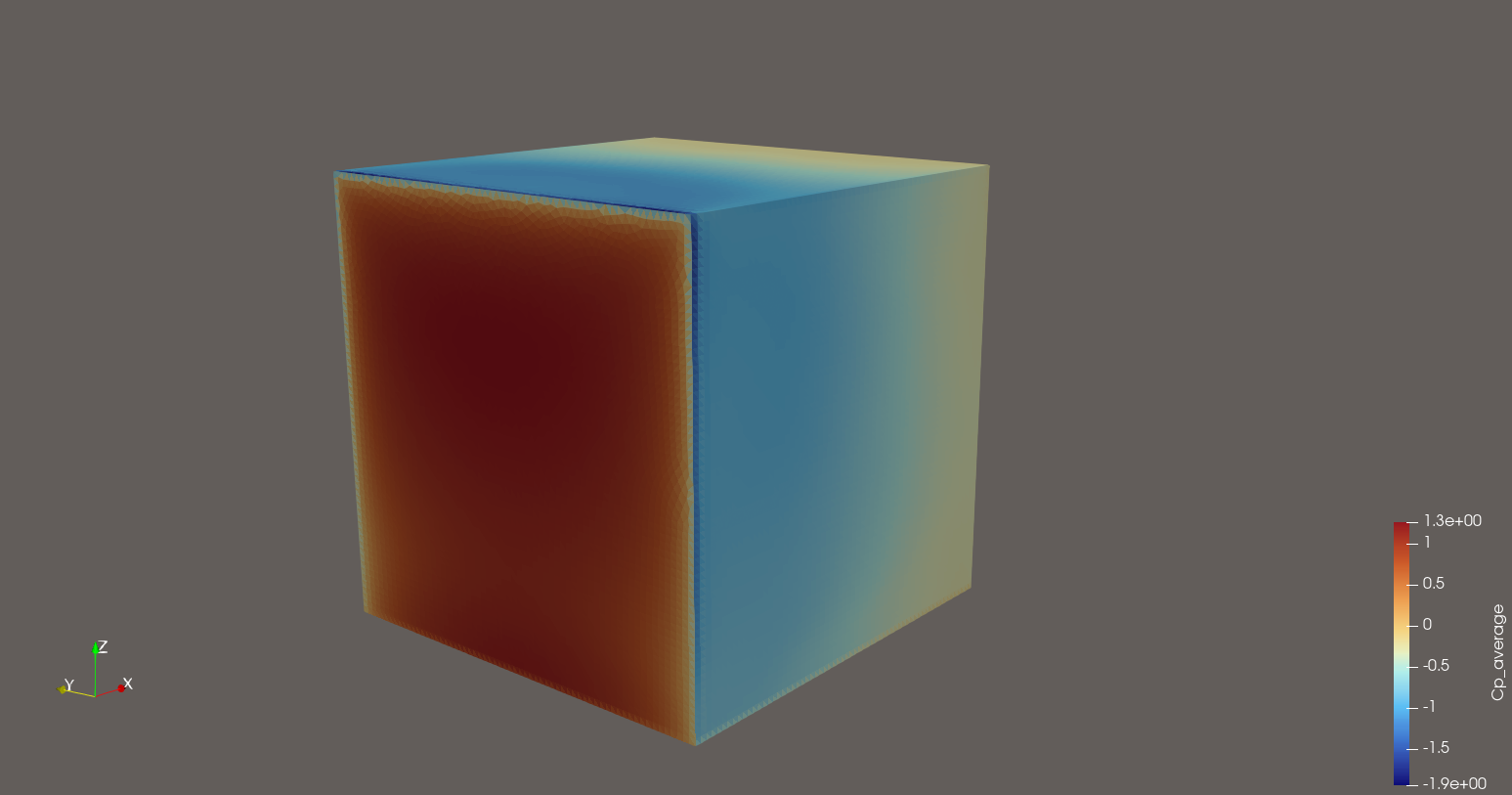
Most CFD implementations treat the free-stream reference pressure as a constant when computing surface pressure coefficients. In Large Eddy Simulation (LES), that assumption inflates RMS values and corrupts peak Cp statistics across the entire facade. This post covers the correct methodology: time-synchronized reference subtraction, IBM-aware surface sampling, and why the distinction matters for wind engineering design.

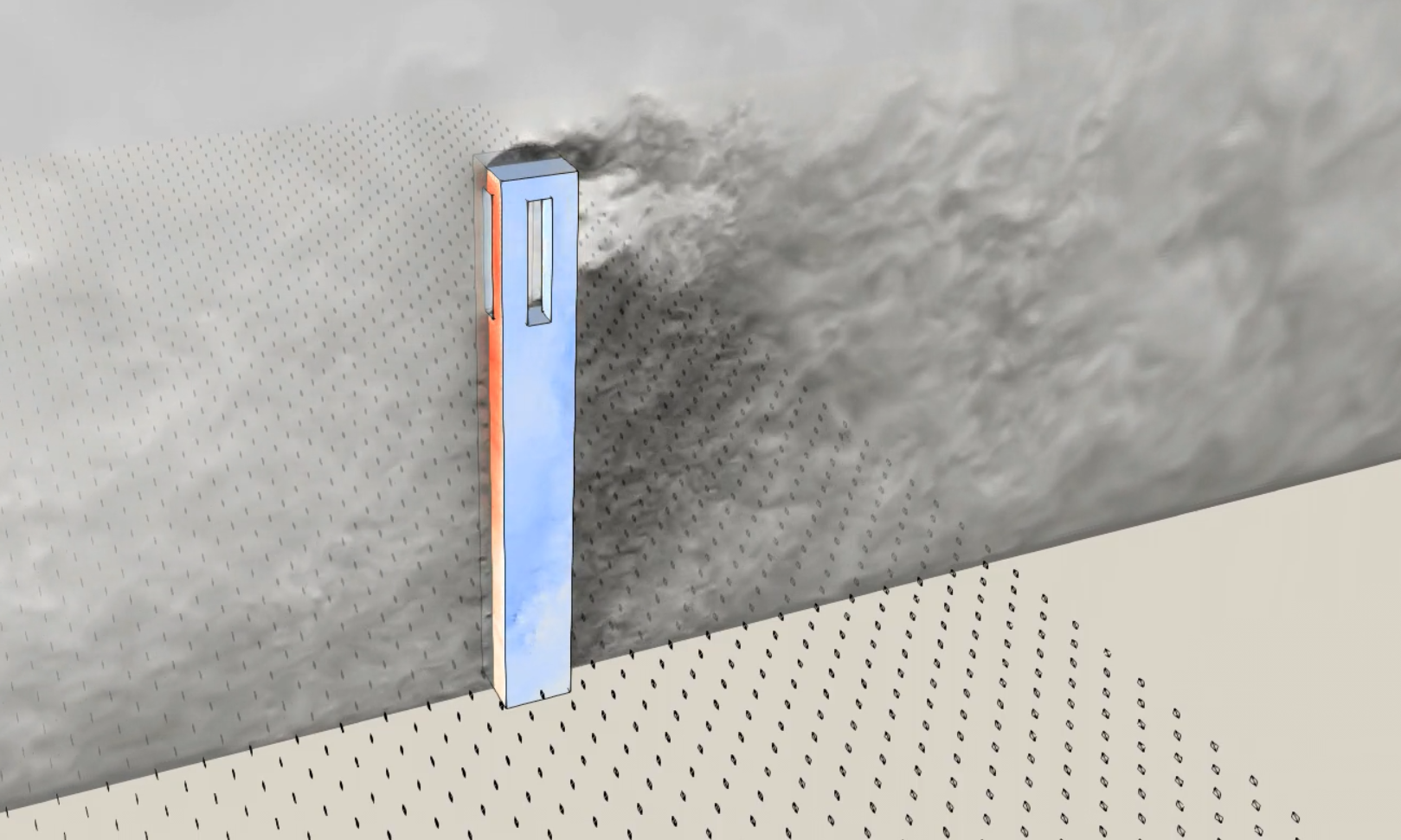
A pressure coefficient that looks reasonable in a contour plot is not the same as one that matches a calibrated wind tunnel measurement. AeroSim publishes its validation portfolio openly, covering high-rise towers, low-rise buildings, ABL profiles, pedestrian comfort, and real-world buildings.

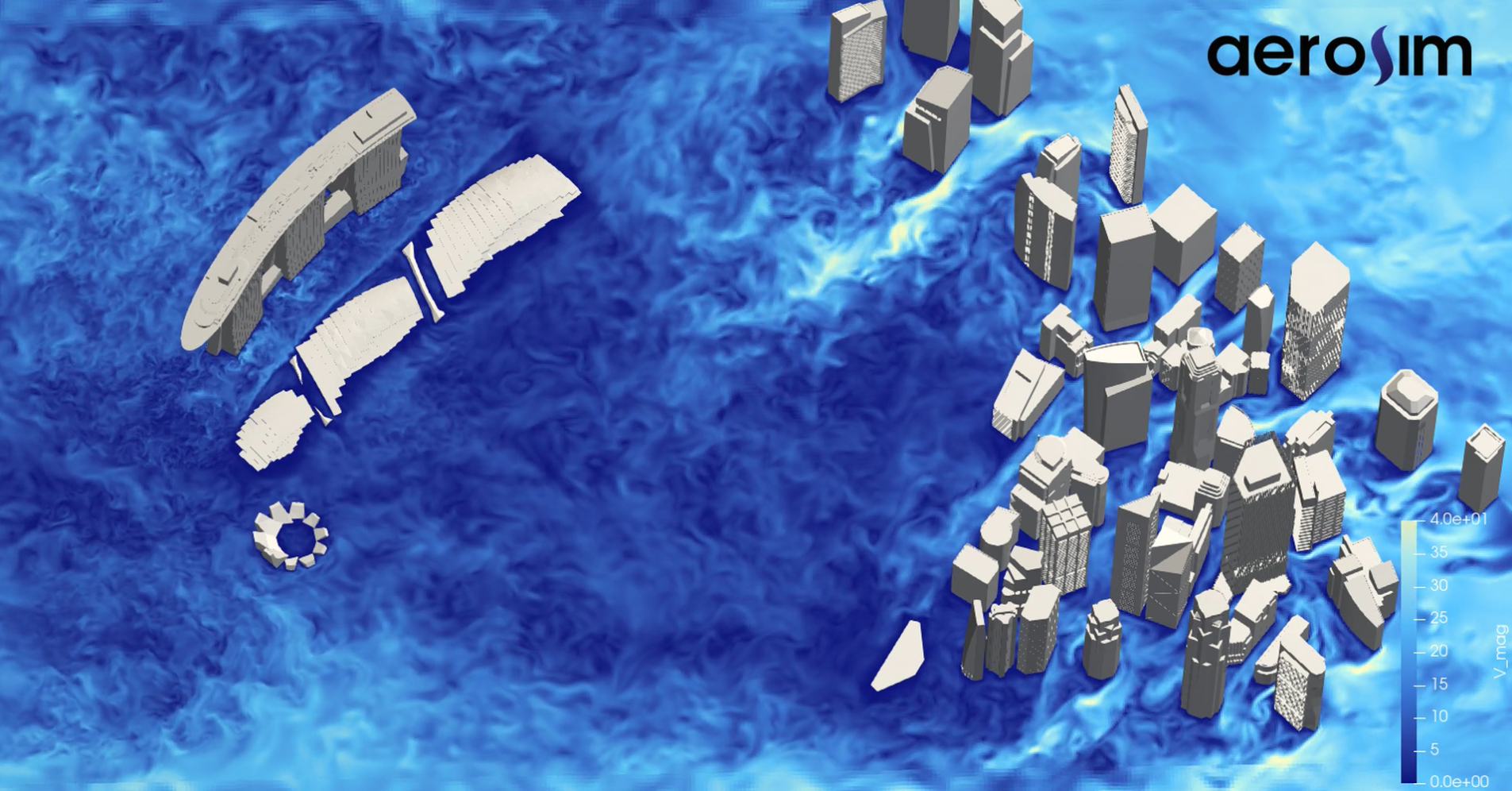
RANS collapses the turbulence spectrum into a closure model and cannot produce pressure time series for peak load extraction. This post explains how LES with the Smagorinsky model integrates into AeroSim's LBM framework with negligible overhead, enabling transient wind data on engineering-scale domains.
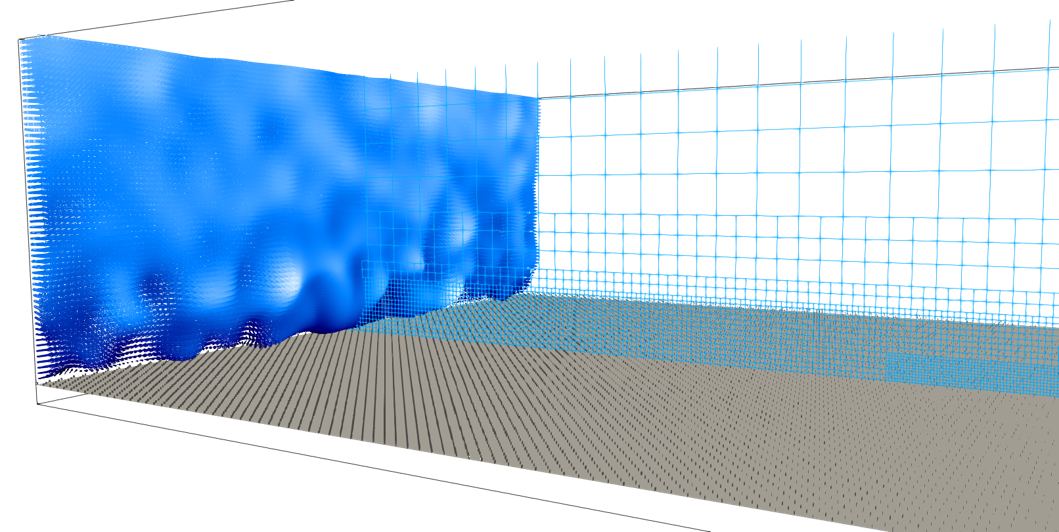
The standalone ABL simulation is the first validation step in any wind engineering CFD study. This post walks through domain setup, roughness element calibration, SEM inlet generation, and profile validation for terrain category II using AeroSim.

GPUs process thousands of lattice nodes in parallel, and LBM maps perfectly onto that architecture. This article explains how the combination of GPU computing and the Lattice Boltzmann Method is making high-fidelity wind engineering CFD faster and more accessible than ever.
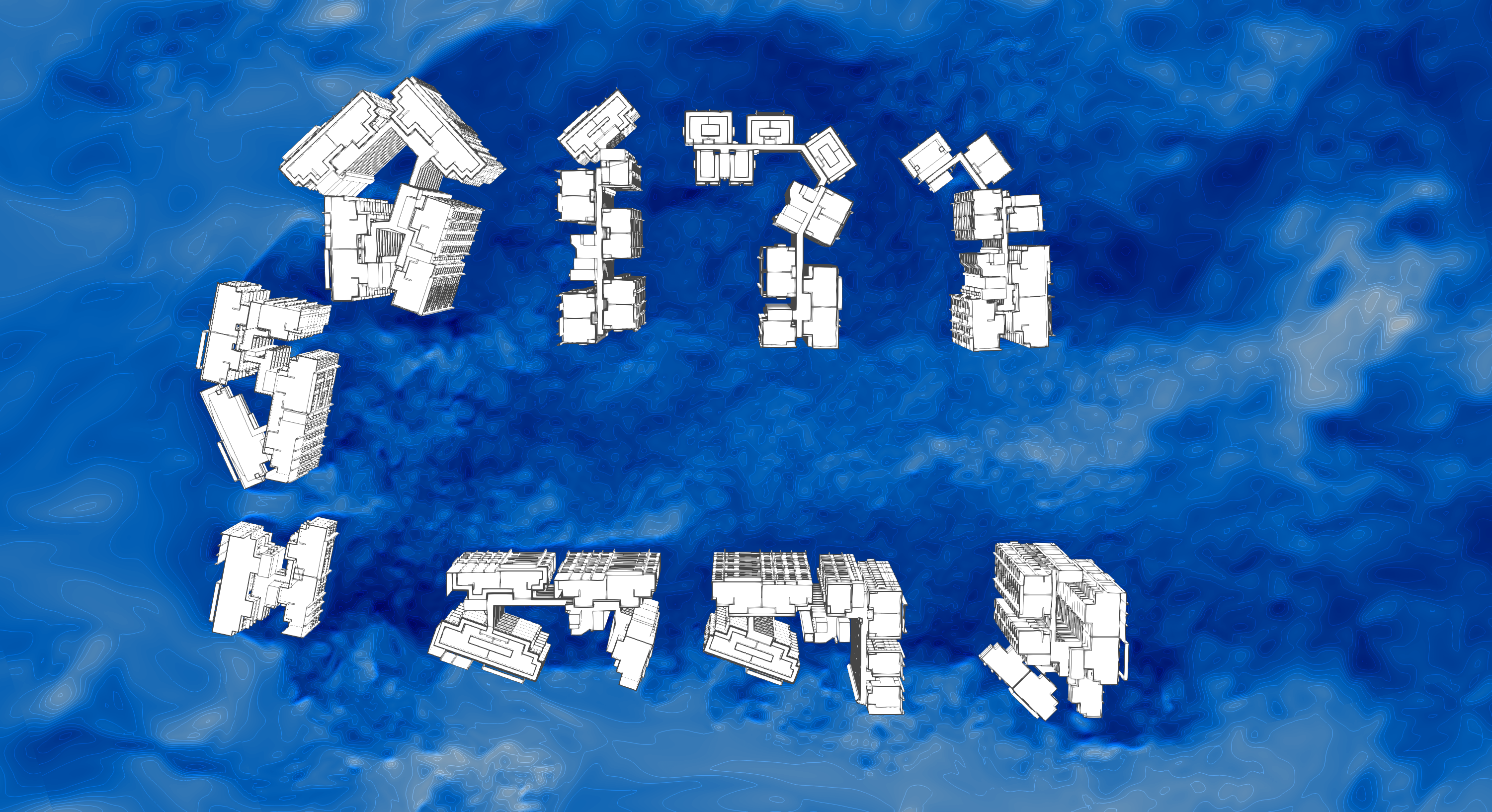
How can a building go from a set of drawings to a fluid simulation? It may be harder than it seems. In this article we will see different approaches for inserting solid objects into a computer simulation of a fluid, and show that maybe the best approach is to not work with volumes at all.
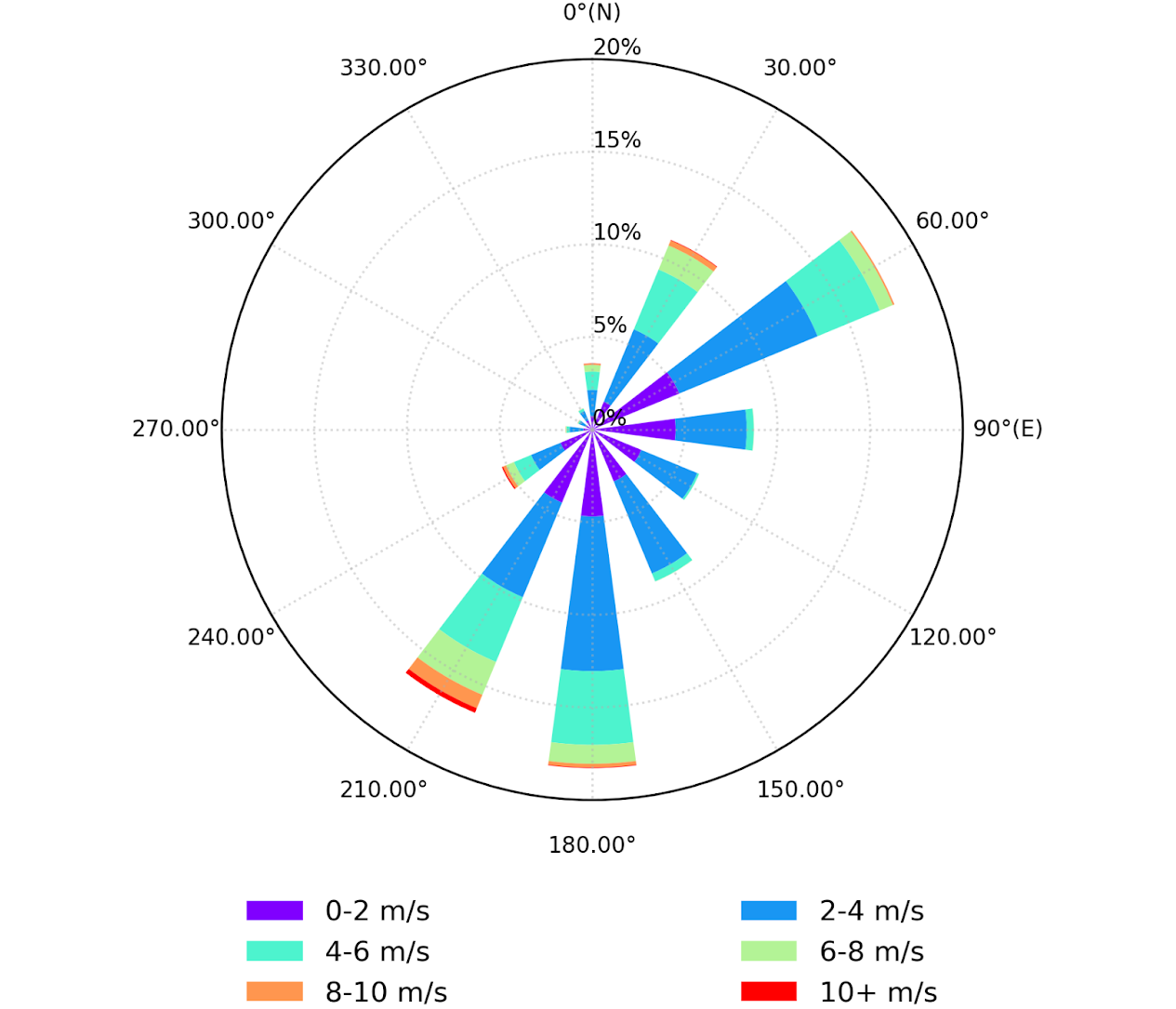
Can you interpret a wind rose? In this article we will break down how to read and use this form of representation.

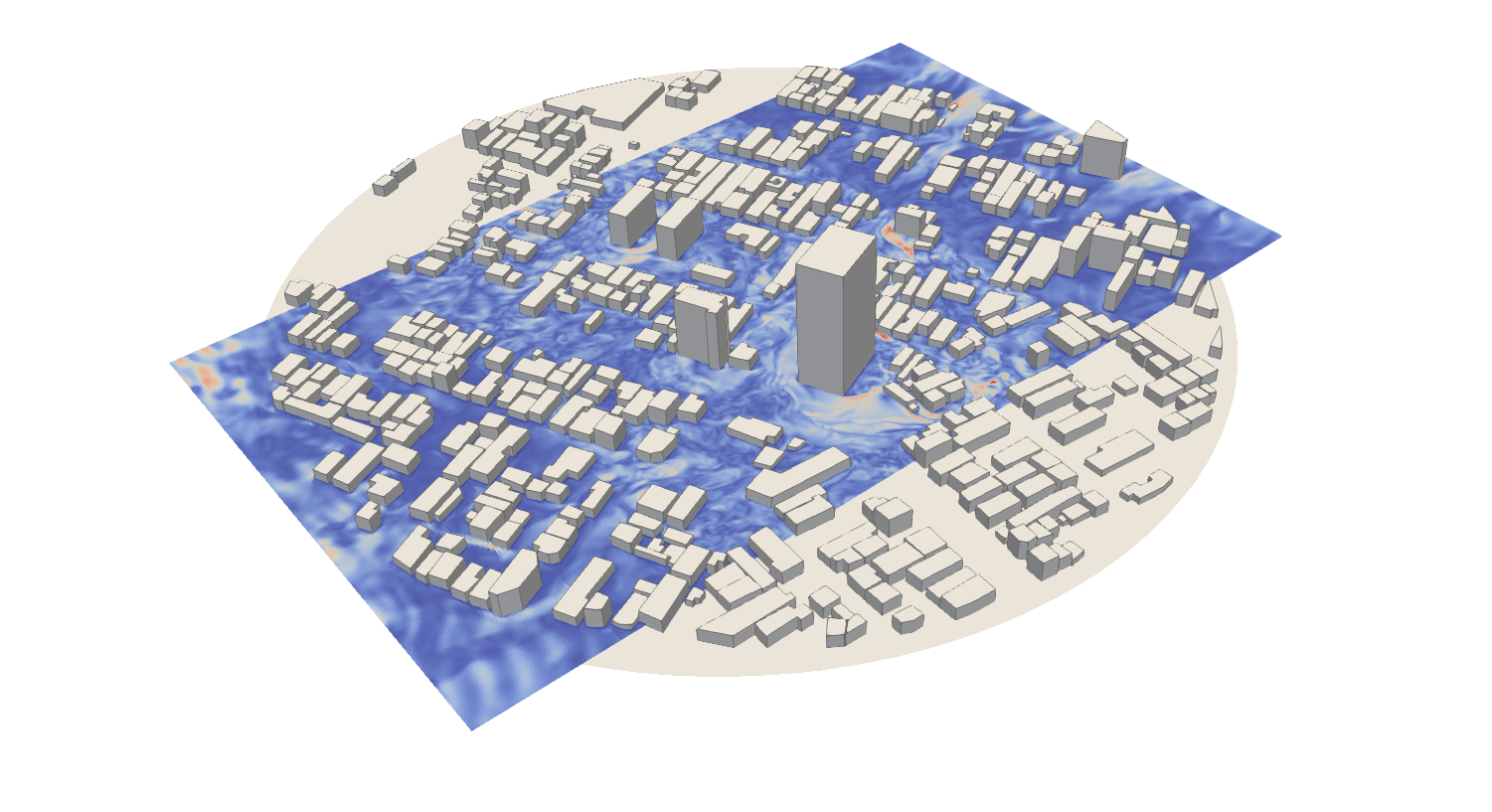
Large domains, complex topography or detailed architectures. Let’s explore the possibilities involving the Lattice Boltzmann Method.
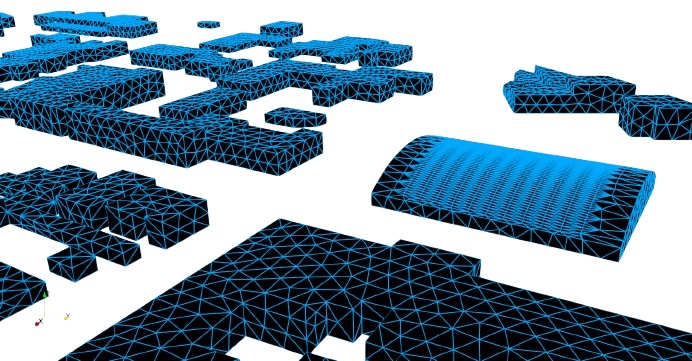
The main complaint of CFD users is mesh generations. In this article you will see why LBM can help you save precious time.
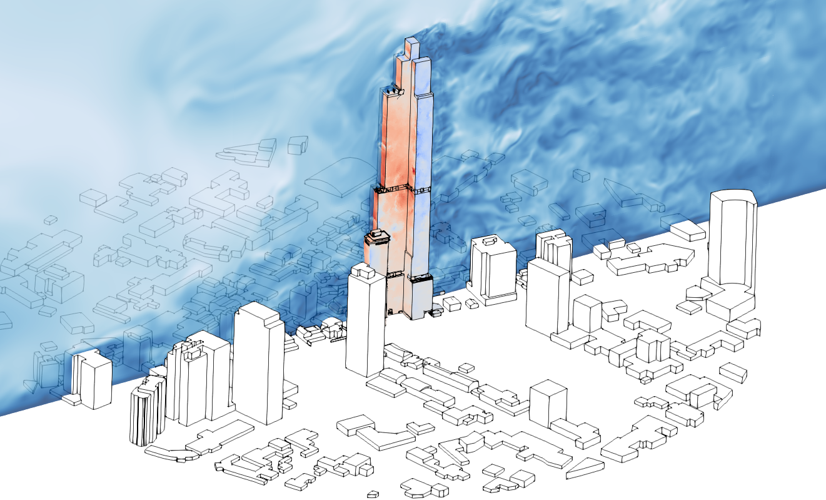
Some people still think that LBM simulates particles (wrong!). If you want to know which equation LBM solves at the continuum scale, click here.
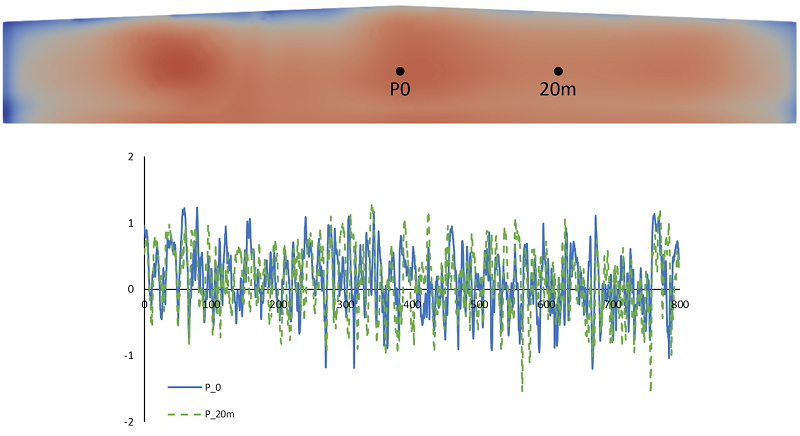
Wind tunnel tests are designed to measure aerodynamic forces in an object, and then convert these results to quantities that can express such forces in the full-scale object. The conversion of loads from prototypical to full-scale is achieved with aerodynamic coefficients. In guidelines for wind loading of structures, three types of aerodynamic coefficients are commonly used: pressure coefficient (Cp), shape coefficient (Cf), and force coefficients (CF or CM). In this article, we delve deeper into how these coefficients are measured and defined within wind tunnel tests.
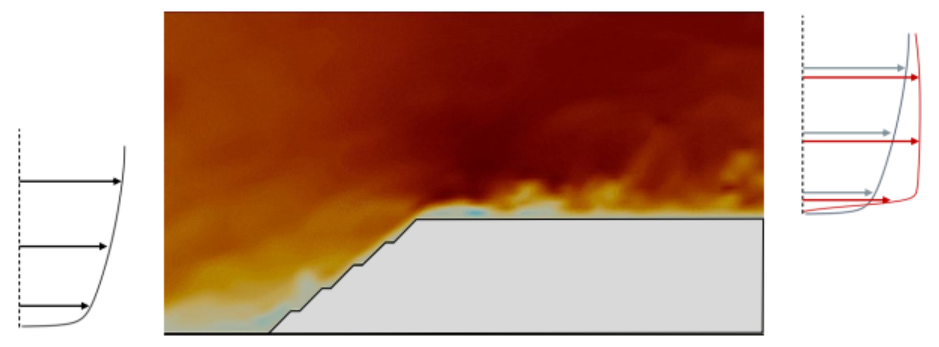
This post presents a comparison of computational fluid dynamics (CFD) performed by AeroSim and experimental results of the topography speed-up factor in a variety of geometries. The developed methodology uses a digital model of the surrounding terrain combined with the earthwork project. In this post we demonstrate that a carefully implemented CFD solution is a viable and more accurate alternative to analytical solutions for the topography speed-up factor. An extended version of this work can be found in the proceedings of the XIV Brazilian Congress of Bridges and Structures.
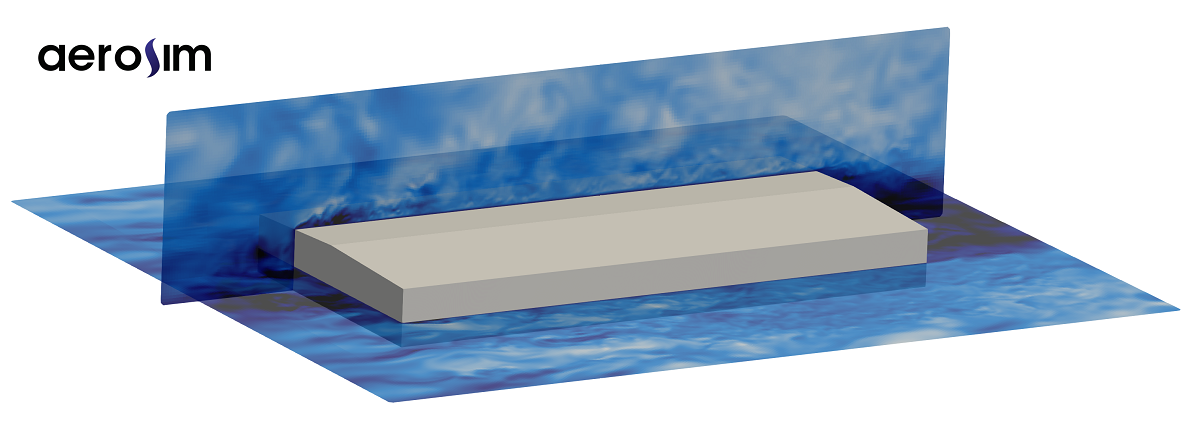
In this blog post, we'll explore AeroSim's digital wind tunnel results using large eddy simulations (CFD-LES) to study the wind load on the roof of a standard warehouse. The main goal is to assess the feasibility and accuracy of this approach for structural designs of low-rise buildings.
Publicamos no canal do Telegram assim que sai: artigos novos, casos de validação e o que muda no solver.